Project cargo
Project Cargo & Heavy Lift Indonesia
Project cargo covers shipments that do not fit a standard container or standard procedure: production machinery, generators, tanks, steel structures, and heavy equipment exceeding the dimensions or payload of a 40-foot box. What determines success is not the freight rate — it is the route survey, the lifting method, the discharge point, and the permits.
Project logistics · September 2026
From China to Bali. Plan the island delivery, too.
Villa construction, furniture and padel court equipment need a project freight plan: supplier coordination, FCL or LCL, inland transport, crossings and site access. Share the full cargo list before booking.
Island project delivery: starting budgets
- Bali → Lembongan
- From IDR 150 million
- Bali → Ceningan
- From IDR 150 million
- Bali → Lombok
- From IDR 150 million
- Lombok → Gili Islands
- From IDR 150 million
Each route starts at IDR 150,000,000 for project-scale cargo. This is an indicative domestic delivery budget, not a parcel rate or a China-to-site all-in price. Final cost depends on goods, packed volume, weight, route access and handling; inclusions are confirmed in writing.
Route budgets, FCL/LCL and case study →
Chindo Cargo delivery experience
IDR 260 million
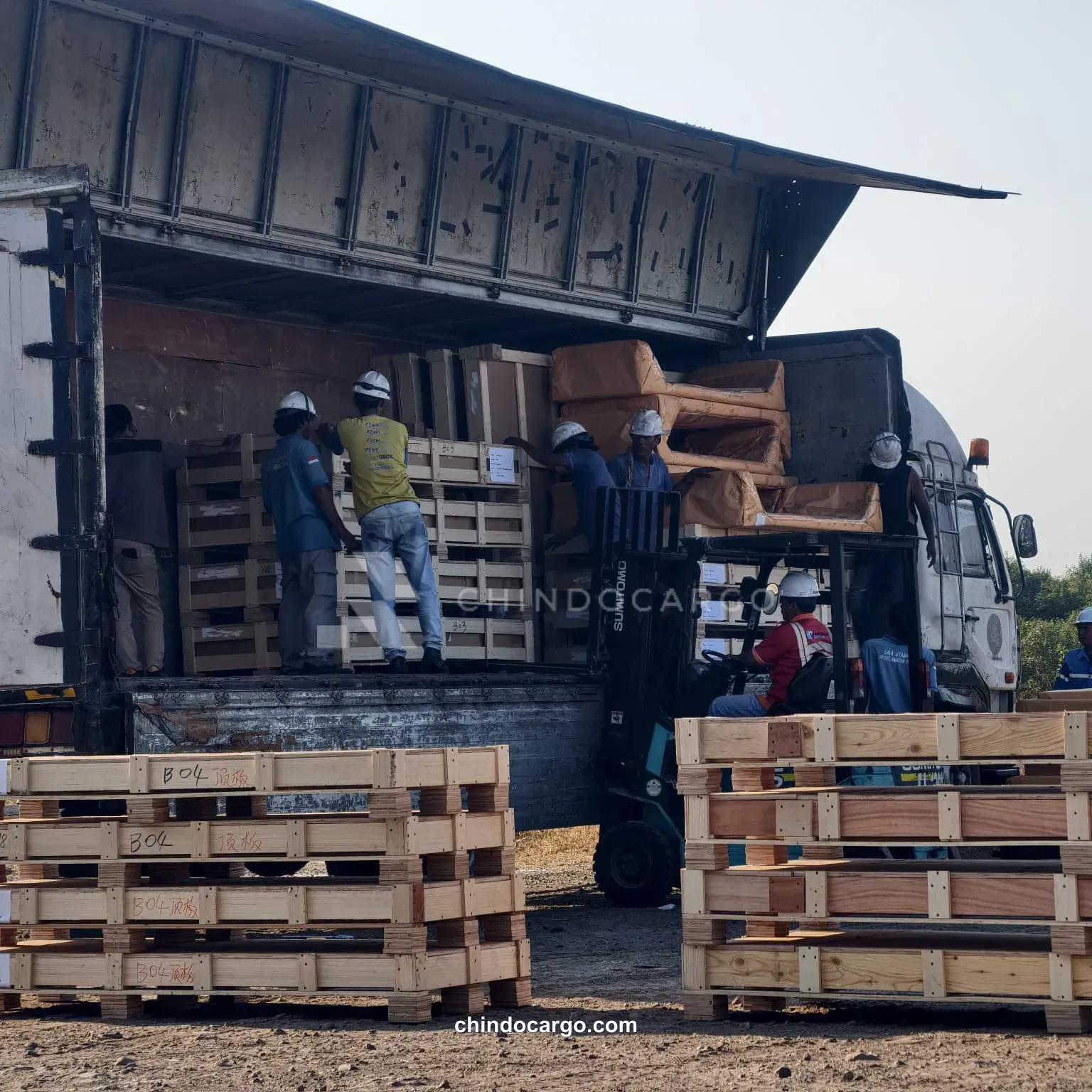
Total domestic delivery cost for the combined FCL and LCL goods in one Denpasar → Lembongan project. This figure covers that delivery leg only, not goods purchase, international freight or import taxes. A case reference, not a fixed quote for another project.
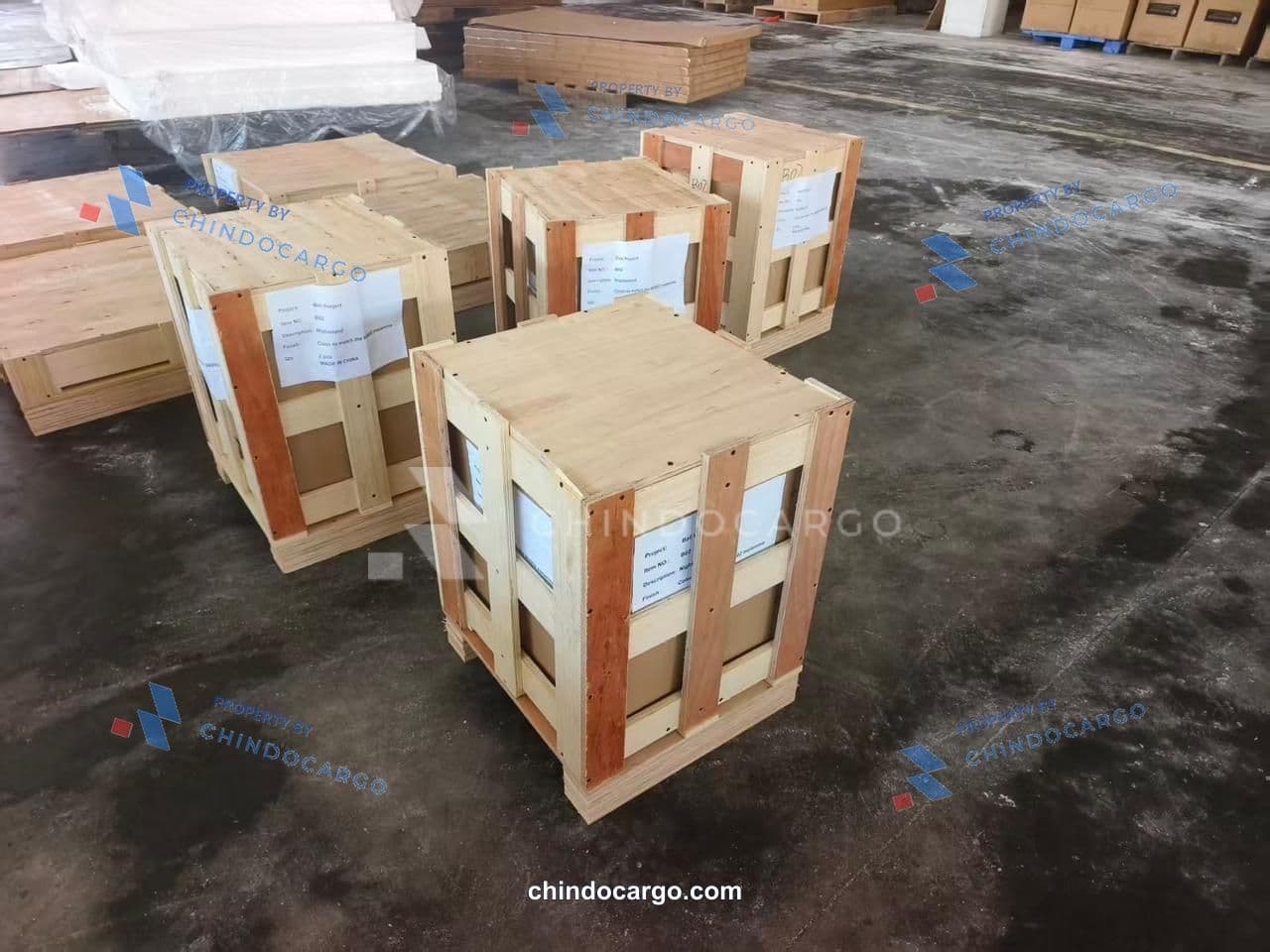
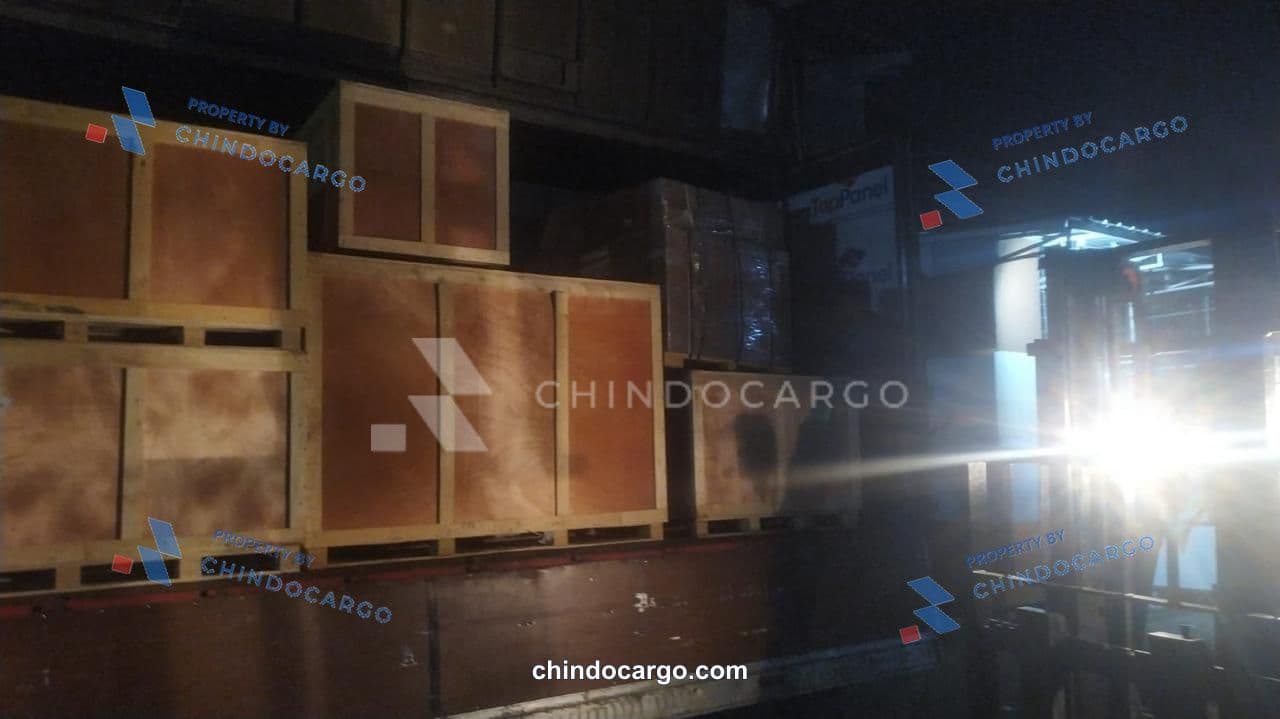
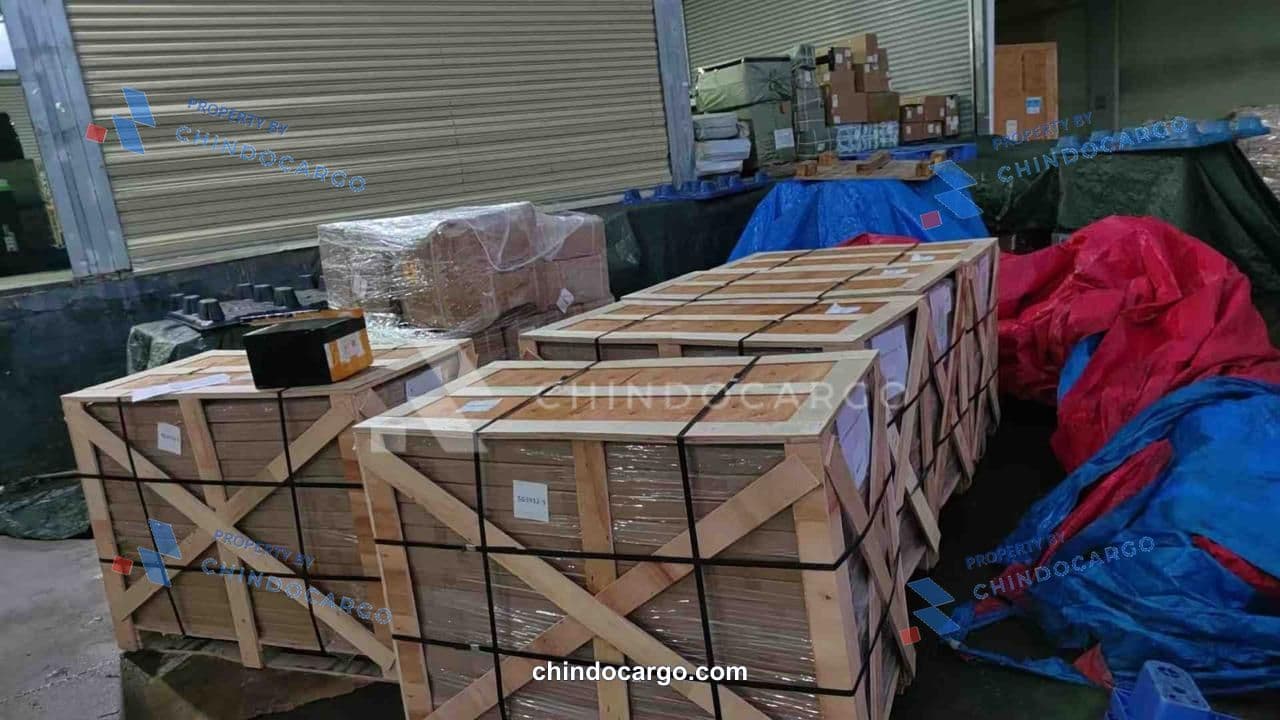
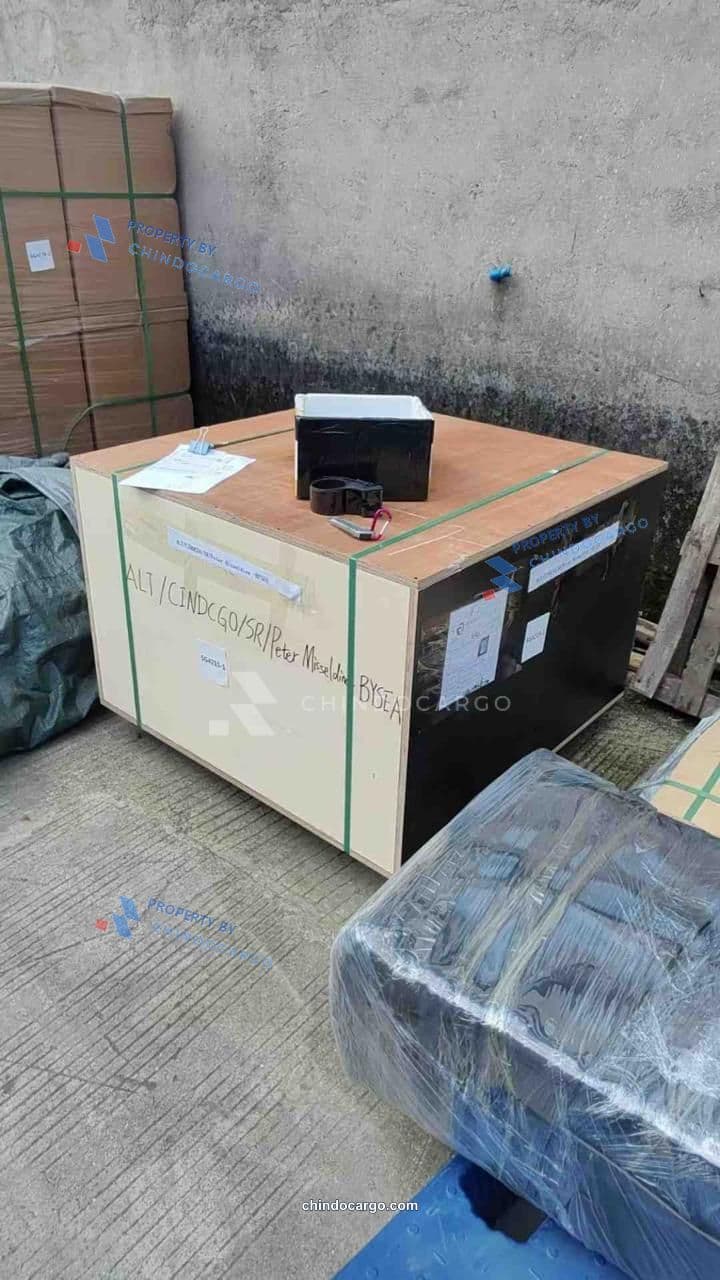
Photo: Chindo Cargo cargo-handling documentation.
Java → Fiji charcoal: from US$15,000
Starting budget for future charcoal shipments, subject to cargo details, carrier acceptance and a written scope. Not a per-tonne or per-CBM tariff; container configuration, origin and destination charges must be confirmed.
Read the charcoal shipping guide →Choosing the method
Cargo is out-of-gauge when it exceeds internal container dimensions but can still travel in the container system on a flat rack or open top. It becomes breakbulk when it moves without a container at all, on a multipurpose or heavy lift vessel. Wheeled units — excavators, cranes, project vehicles — usually travel RoRo.
Each method changes the cost structure completely, so we price the realistic options side by side rather than presenting a single figure.
Where projects actually slip
Schedules rarely slip because of the vessel. They slip because an oversize road permit is still pending, because the crane capacity available at the discharge point was assumed rather than verified, or because a bridge, cable height, or turning radius on the final kilometres was never surveyed.
For units requiring oversize permits and heavy lifting equipment, plan three to six weeks from route study to departure.
Scope
- Route feasibility survey from origin to final discharge point
- Mode selection: flat rack, open top, breakbulk, heavy lift, or RoRo
- Lashing and securing plans, including lifting point calculations
- Crane, lowboy, and multi-axle trailer coordination plus oversize road permits
- Customs and technical documentation through licensed partners
- All-risk cargo insurance with lifting cover, and supervised loading and discharge
Boundaries
- Civil works at site — foundations, access roads, floor reinforcement — are outside our scope
- Machinery installation and commissioning are performed by your technical vendor
- Used capital equipment is subject to Indonesian import rules including age limits; eligibility is verified, never promised upfront
Frequently asked questions
What counts as out-of-gauge cargo?
Cargo exceeding the internal dimensions of a standard container, so it must travel on a flat rack or open top with parts protruding beyond the container profile. It is rated differently because it consumes the slots around it.
How long does project cargo planning take?
Allow three to six weeks from route study to sailing where oversize permits and lifting equipment are involved. Permits and crane availability, not vessel schedules, are the usual constraint.
Can you import used machinery into Indonesia?
Used capital goods are tightly regulated, including machine age limits and verification requirements. We assess eligibility against the HS code and machine specification before quoting, and we do not promise clearance in advance.
Who carries the risk during lifting?
It is allocated by contract and by the insurance policy. For high-value units we recommend all-risk cover with a lifting clause rather than total-loss-only cover.
Have a shipment to price?
Send commodity, volume, and destination. You get a written breakdown by cost component, not a range.
Chat with us →Related
ChindoCargo in operation
Shipment documentation