Export services
Export from Indonesia — Freight Forwarding & Customs
We move goods out of Indonesia to Asia, the Middle East, Europe and the Mediterranean, the Americas, and Australia — arranging pickup, export packing, vessel or aircraft space, export customs declaration, and origin documentation. On the export side you remain the exporter of record on the PEB declaration; we coordinate the chain around you and file through a licensed customs broker acting on your behalf.
How the export lane works
Indonesian exports clear through the PEB declaration filed in the CEISA customs system. The declaration is made in the name of the goods owner, not the forwarder. That single fact drives the rest of the structure: your company name appears on the declaration, the invoice, the bill of lading, and the payment — and customs audits check that those four agree.
Before booking, three things decide whether a shipment moves or stalls: the HS classification, the destination market's entry requirements, and whether the commodity is subject to Indonesian export restrictions or quarantine certification. We check all three at quotation stage, not after the container is sealed.
Preferential tariffs and Certificates of Origin
A Certificate of Origin issued through Indonesia's e-SKA system lets your buyer claim a reduced or zero duty rate. Which form applies depends on destination: Form D within ASEAN, Form E into China, IJEPA into Japan, Form AK into Korea, Form AI into India, IA-CEPA into Australia, and RCEP as an alternative across much of Asia-Pacific.
Comparing forms per HS code matters commercially. RCEP occasionally beats the bilateral form on a specific tariff line, and its rules of origin differ. Choosing the wrong form does not just delay paperwork — the buyer loses the preference and usually invoices the difference back to you.
Transit times, roughly
ASEAN destinations run 3–16 days by sea depending on whether you ship FCL or wait for LCL consolidation. East Asia is 10–24 days, the Middle East 16–32 days, Europe 23–45 days, the US West Coast 22–32 days, and Australia 9–20 days. Air freight runs 1–6 days depending on connections.
LCL ranges are wider than FCL for a structural reason: consolidation at origin and deconsolidation at the destination CFS both add days that no vessel schedule shows.
What we handle
- Pickup from your factory or warehouse anywhere in Indonesia
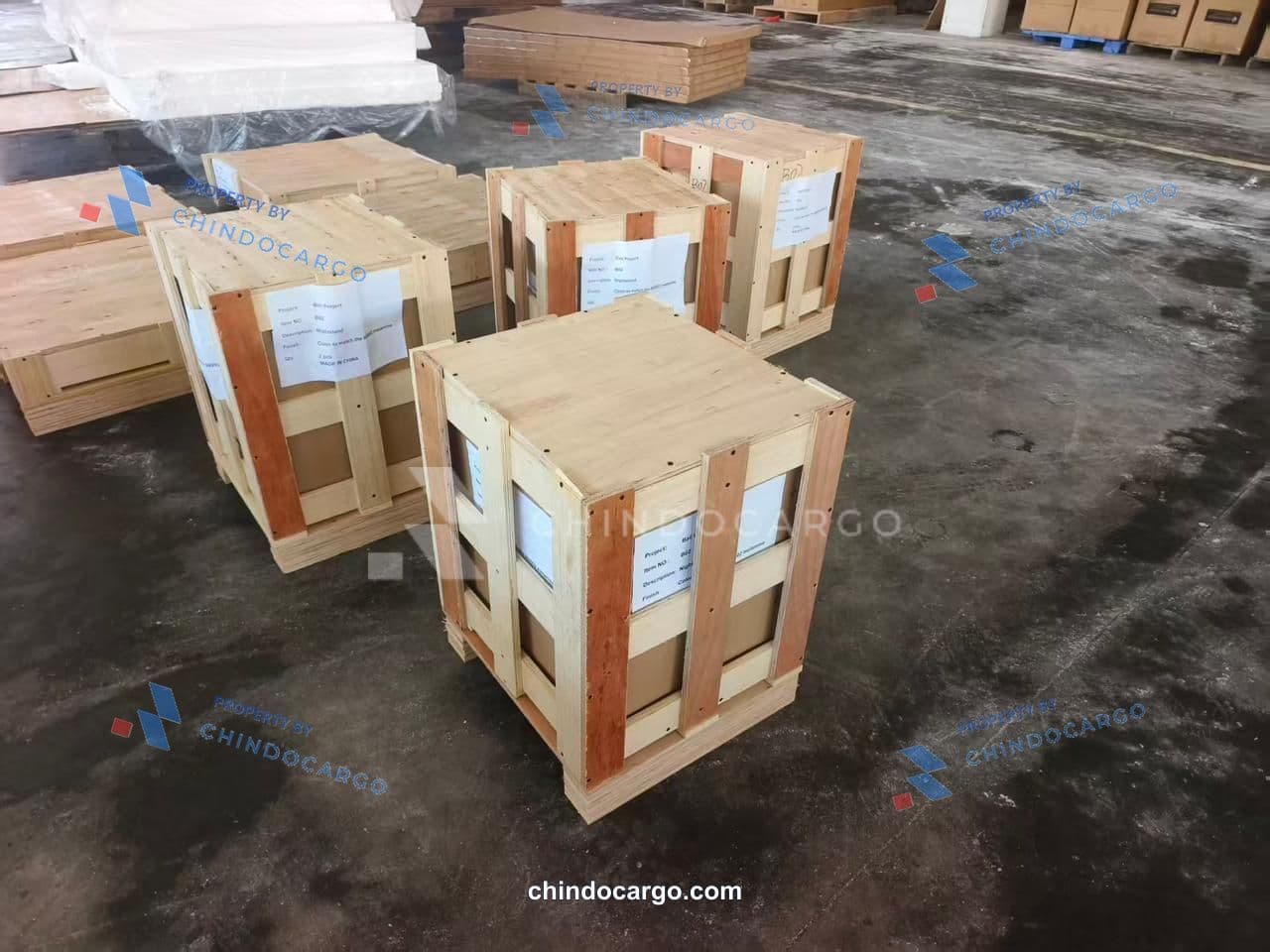
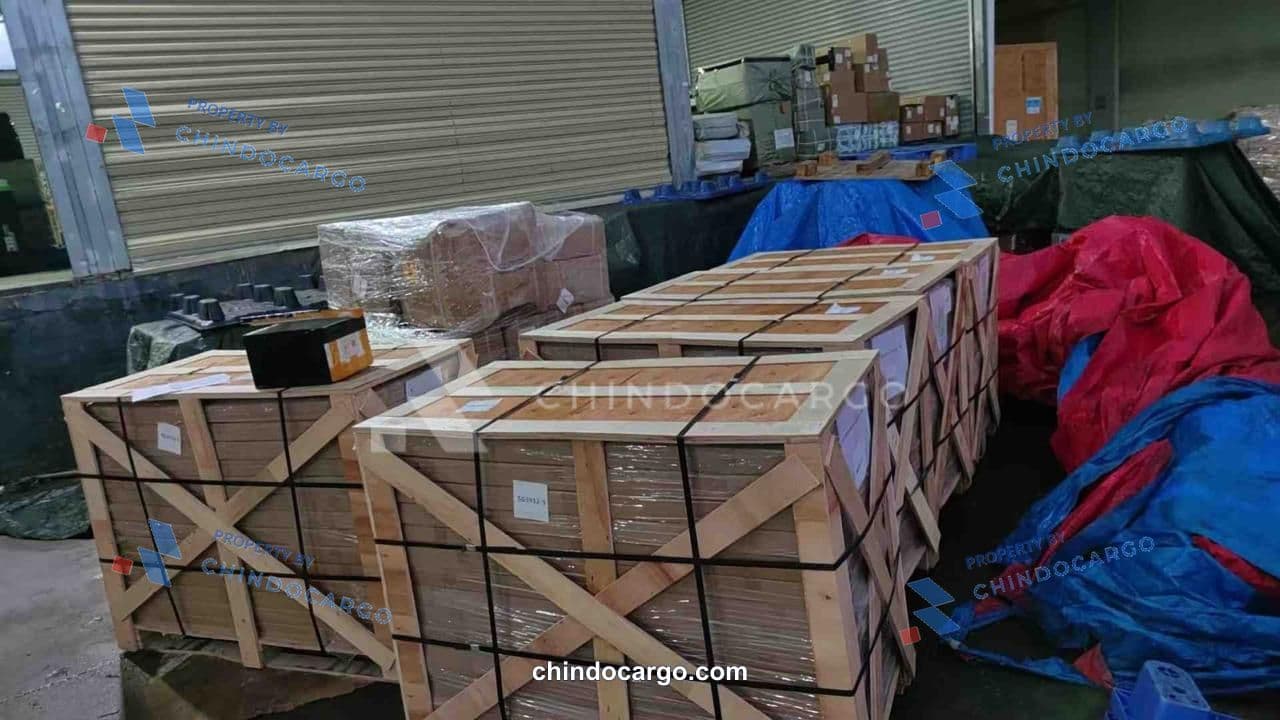
- Export packing, palletising, and ISPM-15 compliant wood packaging
- FCL, LCL, and air freight booking through partner carriers and consolidators
- PEB filing through a licensed customs broker in your name
- Certificate of Origin coordination through e-SKA, and quarantine certification where required
- Cargo insurance, and documents released to your buyer on your payment terms
What we do not do
- We do not export in our own name — the PEB is filed in yours
- We do not hold a customs brokerage licence ourselves; filing is done by a licensed partner
- We do not promise DDP into markets where no importer of record is documented
- We do not confirm that a commodity is free of export restriction — that is checked per HS code at INSW
Frequently asked questions
Can you export under your own company name?
No. The PEB export declaration is filed in the name of the goods owner. Keeping ownership, payment, and export documents under one name is what survives a customs audit — and what banks require when an L/C is involved.
What does an Indonesian exporter need at minimum?
A registered business entity with an NIB covering export activity, a tax ID, commercial invoice and packing list, and the PEB declaration. Beyond that it is commodity-driven: food, plant, and animal products need quarantine certification, and some commodities require an export licence or surveyor report.
How is export freight priced?
By component, not as one number: inland haulage, origin terminal handling, ocean or air freight, documentation and PEB, commodity certificates, and destination charges where you carry them. We quote the components so you can see where cost is actually formed.
Can you handle both directions?
Yes. We have run the China–Indonesia import lane since 2018 and now run export in the other direction, which means one operational contact and one documentation chain for both flows.
Have a shipment to price?
Send commodity, volume, and destination. You get a written breakdown by cost component, not a range.
Chat with us →Related
ChindoCargo in operation
Shipment documentation